Insights, tutorials, and updates
Everyone has a story about a self-driving car doing something weird, stopping randomly in an intersection or getting confused by construction cones. Those clips go viral because they are unusual and a little funny. What does not go viral is the actual safety data, and that data tells a very different story than the internet vibe around this technology. Waymo released a safety report covering close to 100 million fully driverless miles across four American cities through June 2025. Compared to human drivers on those exact same roads, Waymo's cars were involved in 91 percent fewer crashes that caused serious injury or death, and 80 percent fewer crashes that caused any injury at all. At intersections specifically, which are some of the most dangerous parts of any city to drive through, the injury crash rate was 96 percent lower than human drivers (qtd. in "Car Crashes"). Those are not small margins. That is not a technology that occasionally does better than us, that is a technology operating on a completely different level of consistency. I get why people are still nervous about this. Handing control of a two ton object moving through a crowded street to software feels different from trusting software to recommend a song or grade an essay. If a human driver messes up, we understand why, they were tired, distracted, texting, drunk. When a machine messes up it feels less explainable and somehow scarier, even if it happens far less often. But that emotional reaction is not actually about safety, it is about control, and those are two different things. The uncomfortable conclusion is that most car crashes are not caused by bad luck, they are caused by human error, and human error does not go away no matter how many safety ads car companies run. If a technology is already measurably reducing the number of people who get seriously hurt or killed on the road, resisting it because it feels unfamiliar is not a neutral choice. It has a cost, and that cost is paid by the people who get into crashes that could have been prevented. Works Cited "Car Crashes Are a Public Health Crisis. Autonomous Cars Are the Cure." CleanTechnica, 3 Dec. 2025, cleantechnica.com/2025/12/03/car-crashes-are-a-public-health-crisis-autonomous-cars-are-the-cure/.
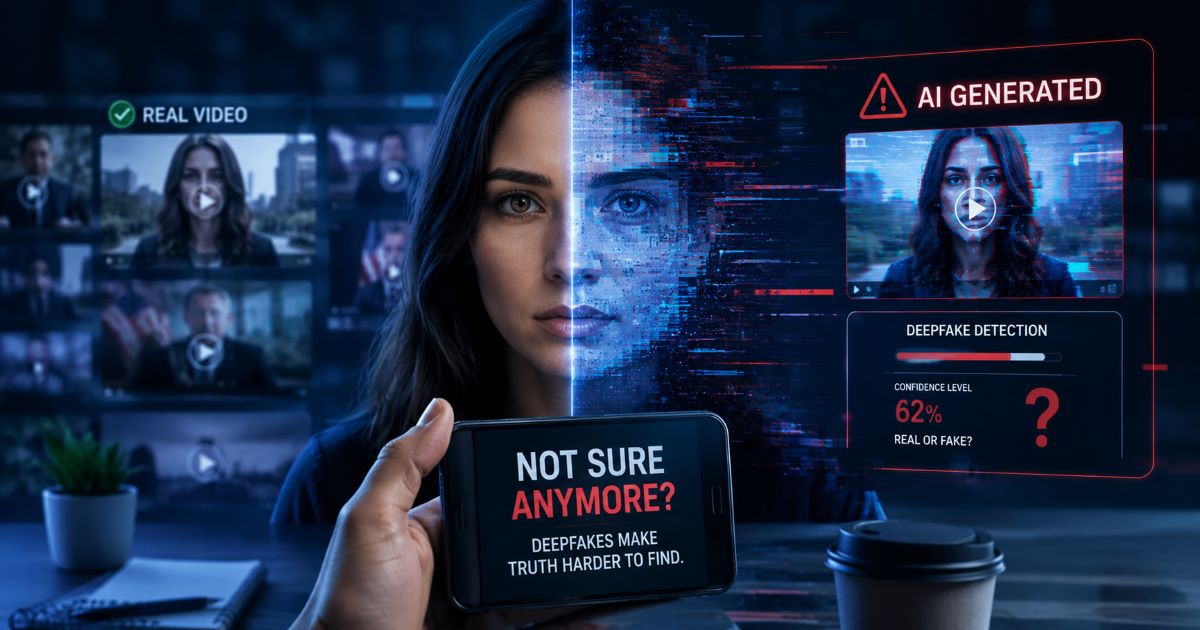
A 2025 iProov study found that only 0.1% of people could accurately identify every AI-generated image and video, highlighting the growing challenge of deepfakes and digital trust.
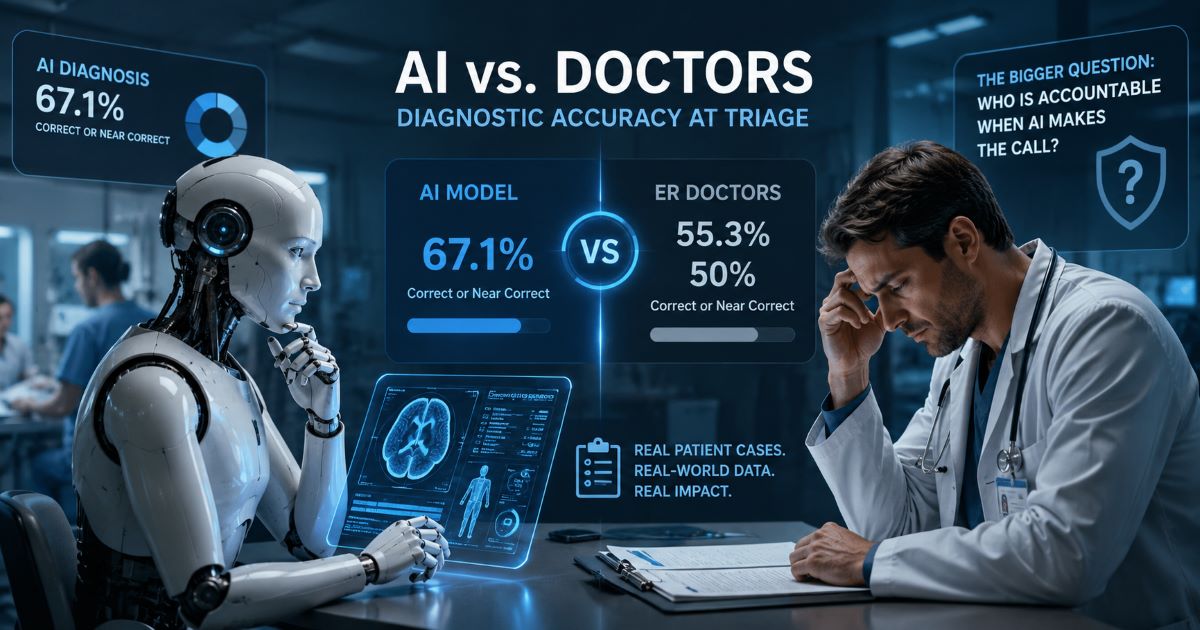
A Harvard–Stanford study found that an AI reasoning model outperformed emergency room doctors in diagnostic accuracy using real patient cases. But while the results are impressive, the bigger question remains: who is accountable when AI gets a diagnosis wrong?
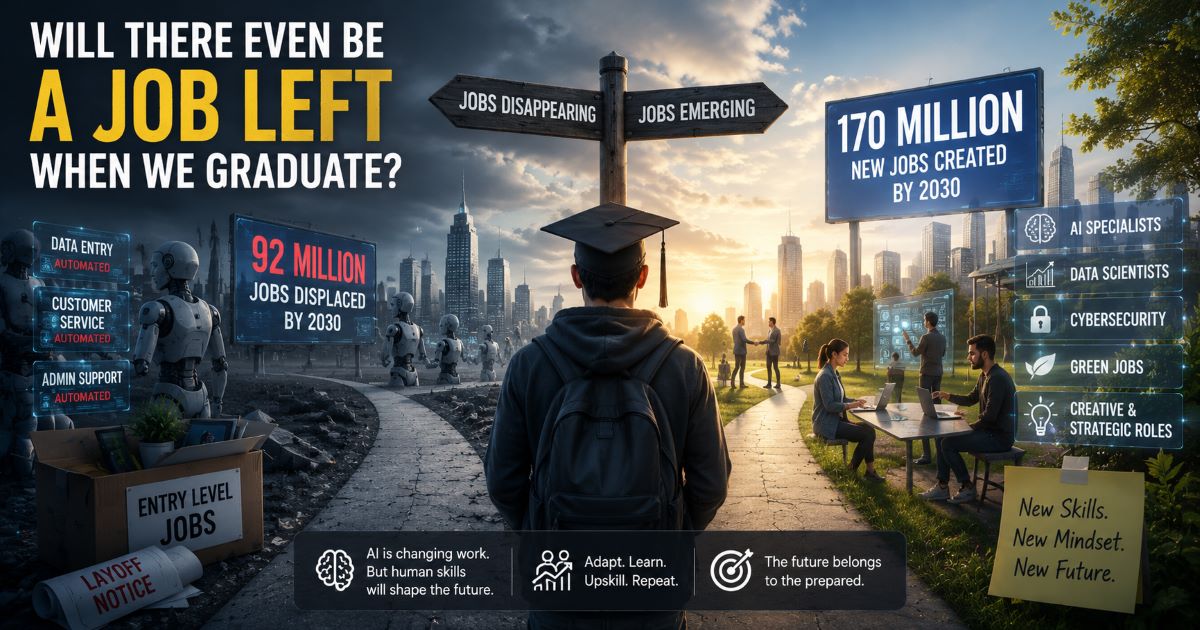
AI and automation are transforming the job market faster than ever. Discover what the latest World Economic Forum report says about disappearing entry-level jobs, emerging career opportunities, and the skills students need to thrive in an AI-driven future.
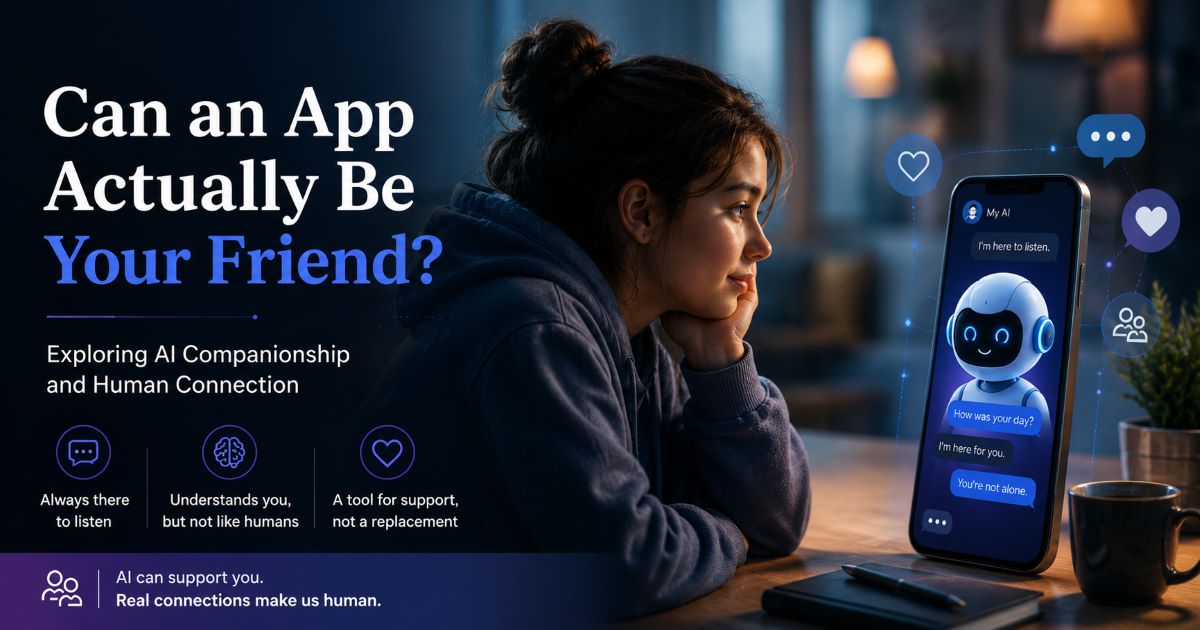
AI chatbots like Snapchat My AI and Character.AI are becoming more than just digital assistants—they are becoming companions for many young people. This article explores why people are turning to AI for emotional support, what recent research reveals about loneliness, and why AI should complement, not replace, real human relationships.
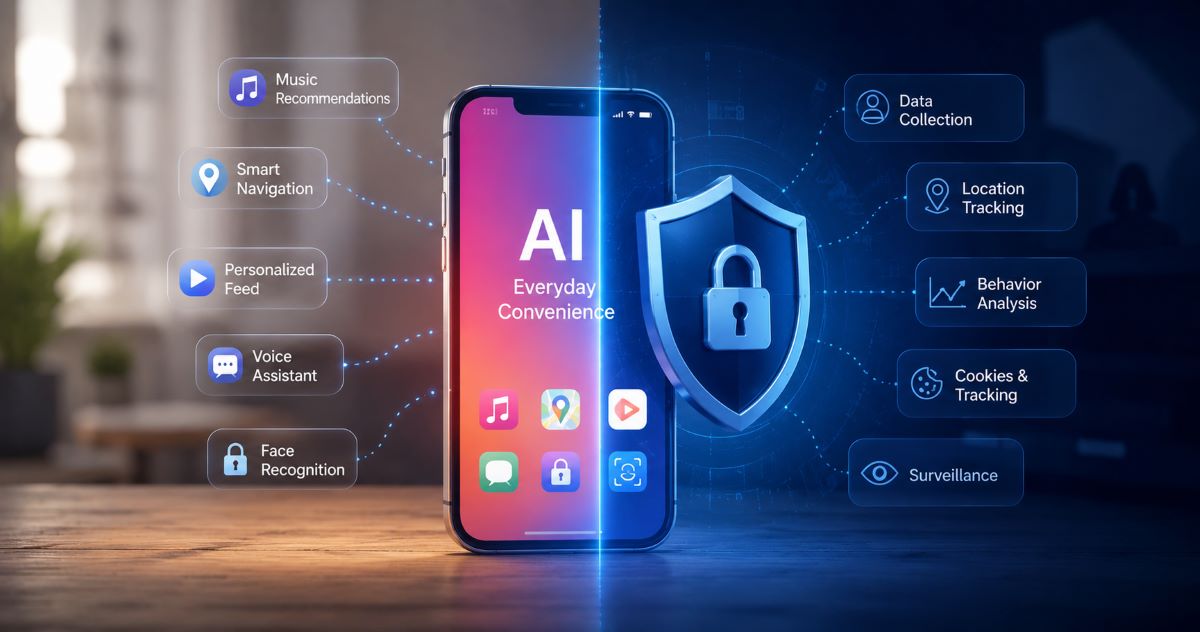
Artificial intelligence has become an invisible part of everyday life, making smartphones, apps, and online services smarter and more convenient. However, this convenience often comes at the cost of sharing personal data, making privacy awareness more important than ever.
Generative AI is revolutionizing creative industries by making art, writing, and design more accessible than ever. While these tools offer exciting possibilities, they also raise important concerns about copyright, artist compensation, and the future of creative careers.
Every AI search consumes more resources than most people realize. From energy-hungry data centers to massive water consumption for cooling, discover the hidden environmental impact of artificial intelligence and why sustainable AI matters.
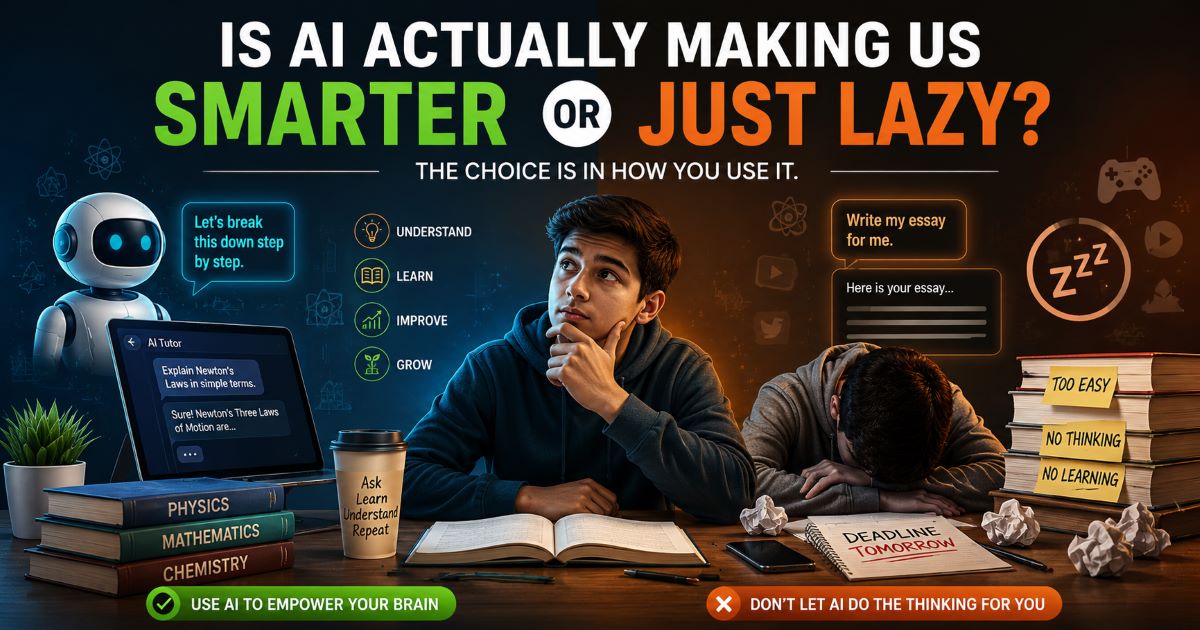
Artificial intelligence is transforming education by helping students learn faster and understand difficult concepts. But does relying on AI improve learning or weaken critical thinking? Explore both sides of the debate in this article.